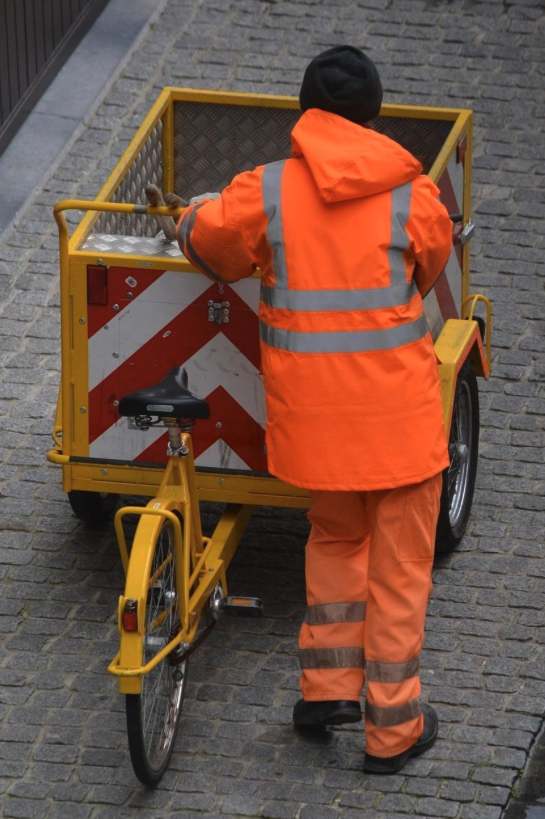
If you’ve been in Birmingham since March, you’ve probably noticed the bin collection chaos—and maybe even heard stories of rats the size of cats. Although many people are aware that a pay dispute is behind the waste collectors’ strike, the issue is more complex than just a pay increase. It’s equal pay.
Thousands of women in roles such as cleaners, catering staff, and teaching assistants have waited years for justice after being paid less than their male colleagues in similar roles, like refuse collection and street cleaning. After years of campaigning, Birmingham City Council is finally settling these claims.
However, here’s the catch: to compensate for past equal pay claims and prevent future ones, the council needs funding. With budgets under strain, they’re not looking to raise new funds—they’re looking at transforming existing pay, and it feels like it would be for the worse.
Bin lorry drivers, whose £40,000 salaries reflect years of union-led negotiations, are now facing a proposed cut to £32,000. And that’s among other things why they’re striking.
Let’s be clear: this isn’t a fight between men and women. It’s the fallout of decades of undervaluing work performed by women. Birmingham was already facing over £1.1 billion in equal pay claims—an amount that some say contributed to its declaration of effective bankruptcy.
But this isn’t just about one city. It’s about how we value work. Why do we pay more to collect rubbish than to educate or feed children? Why is fairness being managed through pay cuts rather than system change? These are the questions that should be guiding how the council addresses pay inequity.
For years, we’ve said pay fairness isn’t a zero-sum game—when women win, everyone wins. But right now, Birmingham risks taking us in the opposite direction. Not because this is the only unavoidable solution, but because of a lack of creativity and imagination in budgeting for fairness.
📉 Cutting pay to match the lowest levels isn’t fairness—it’s a race to the bottom.
📊 Over half of the people in poverty in the UK are in working households.
💷 As much as I dislike a cost-benefit analysis when it comes to the public good, every £1 increase in low pay can return up to £2 to the economy through increased spending and reduced pressure on public services.
Fair pay should lift everyone, not drag others down.
This is the start of a reckoning. Let’s talk honestly about what fair pay looks like in the 21st century. We can all benefit when work is genuinely valued.