

Two stories dominated business headlines this week, and taken together, they reveal everything wrong with how we value human contribution in the modern economy.
First: Tesla’s board proposed a compensation package for Elon Musk worth potentially $1 trillion – a sum that represents roughly 36% of the UK’s total GDP, which stands at £2.85 trillion ($3.5 trillion). Let that sink in: one person’s potential pay equals more than a third of what the world’s sixth-largest economy produces in an entire year.
Second: Thursday, September 18th, marks International Equal Pay Day – the symbolic date highlighting that women earn so much less than men globally it’s as if they stop being paid for the rest of the year. Despite pay transparency legislation, recent research shows the gender pay gap has stagnated, averaging 13% in the UK.
Women are systematically underpaid across virtually every sector, and the reasons run deeper than simple bias. Occupational segregation funnels women into lower-paid sectors like education, social work, and care – roles that are essential to society but consistently undervalued economically. Greedy jobs – roles that disproportionately reward extremely long hours and constant availability – systematically favour those without significant caring responsibilities. The lack of flexibility in traditional employment structures forces many women into part-time roles or career interruptions that compound over decades. Even in the gig economy, research shows women Uber drivers earn 7% less than men due to factors that reflect deeper societal patterns about risk and caregiving responsibilities.
This topic matters to me personally because exactly 10 years ago, I started Gapsquare with a mission to close pay gaps using technology. Since then, companies like PayAnalytics, Syndio, PiHR, and others have joined this movement, all of us pushing to use data to illuminate and eliminate these disparities. We’ve learned that the problem isn’t just conscious bias – it’s the entire architecture of how we structure, measure, and reward work.
The answer lies in how fundamentally disconnected our pay systems have become from actual value creation. When a single executive’s potential pay package exceeds what nurses, teachers, and care workers across entire regions earn combined, we’re witnessing a system that has lost all sense of proportion.
This is precisely why we are working with young leaders from the Future of Work Advisory Council to launch the Declaration for the Future of Work on this International Equal Pay Day. These emerging leaders have watched this distortion play out their entire careers and they refuse to accept it as a norm.
It demands transparency in how compensation is determined, insists that pay should reflect genuine societal value and recognises that caring work is economically essential – not optional. It calls for systems where the people who sustain our communities – educators, healthcare workers, social workers – are compensated in ways that reflect their true importance.
The most forward-thinking organisations are beginning to recognise this disconnect. They’re questioning why their most essential workers are systematically undervalued while speculative compensation reaches astronomical levels. They’re implementing pay structures that reflect contribution rather than hierarchy or market manipulation.
The 13% gender pay gap in the UK and the stagnating progress globally show that incremental adjustments aren’t enough. We need fundamental reform of how we determine value and set compensation. The Declaration for the Future of Work provides a framework for that transformation – one that insists pay should reflect real social contribution, not proximity to existing power structures.
As we mark International Equal Pay Day, let’s recognise that the gap between systematic underpayment of essential workers and trillion-dollar executive packages represents a choice about what kind of economy we want. We can continue to accept a system where financial speculation generates outsized rewards while care work remains undervalued, or we can build an economy where compensation reflects the importance of what people contribute to our collective well-being.
The time for that choice is now.
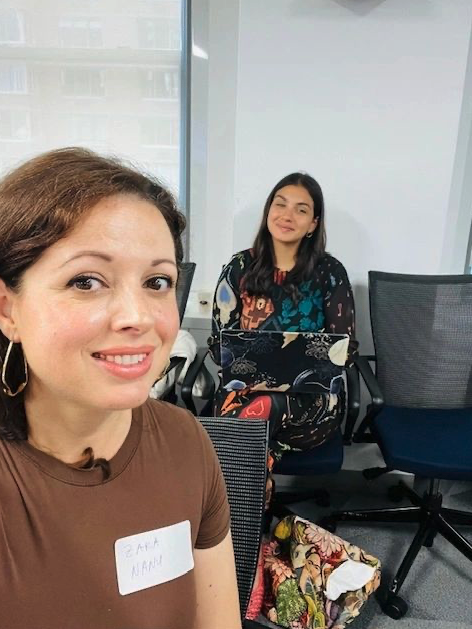
Dr Zara Nanu MBE and Sabina Mehmood, Founders of WorkVue